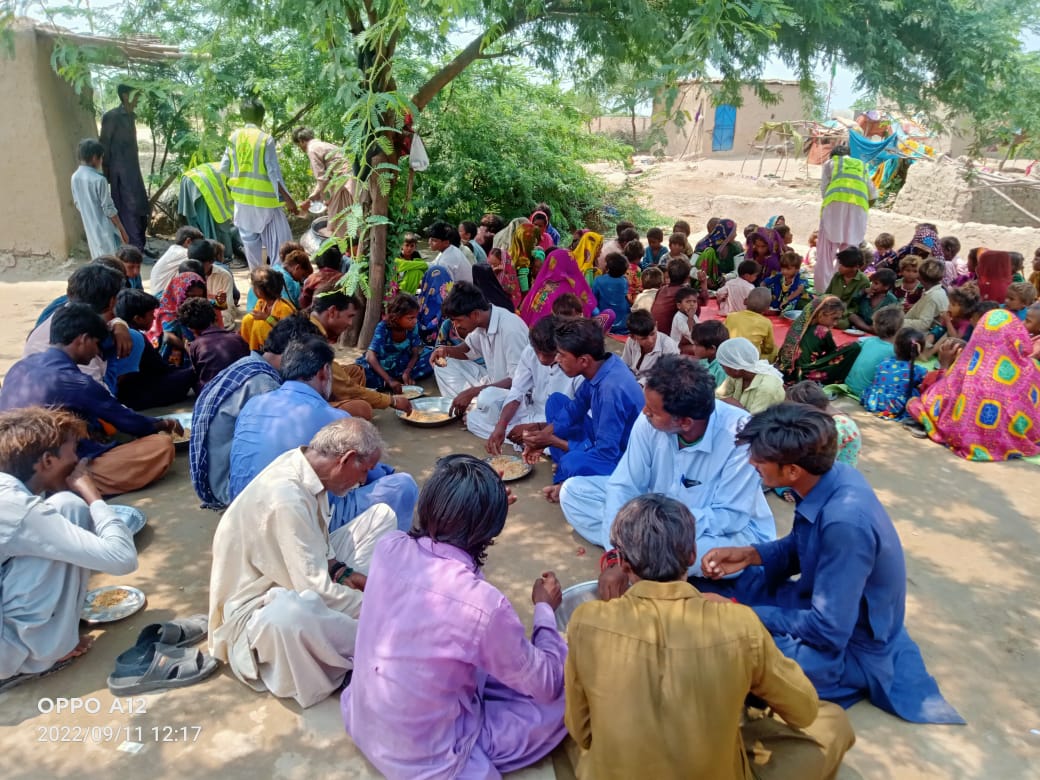
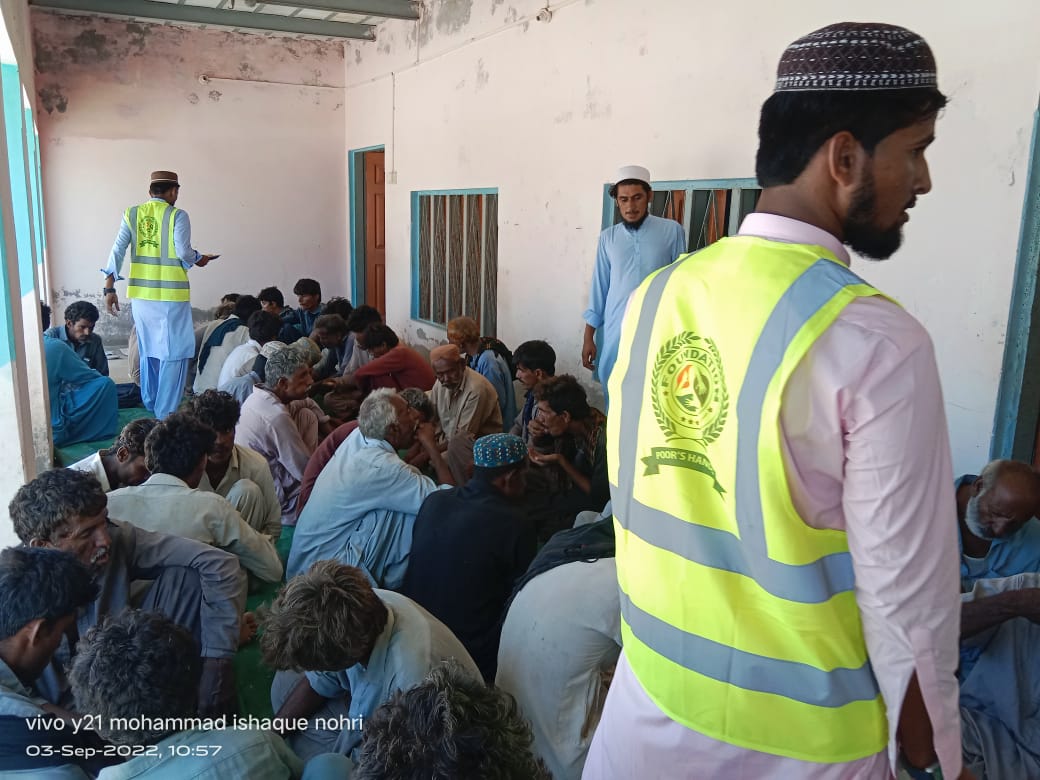
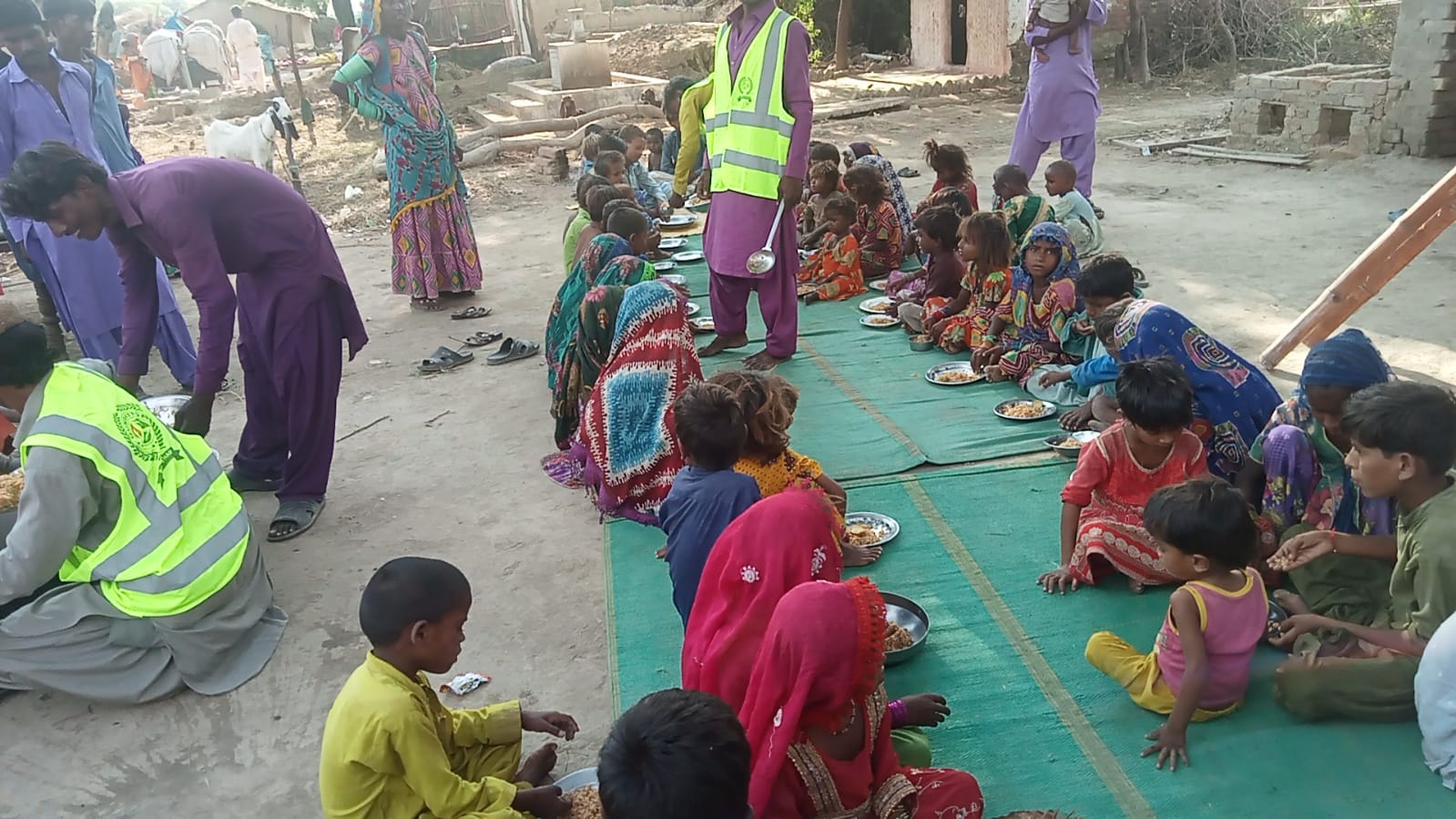
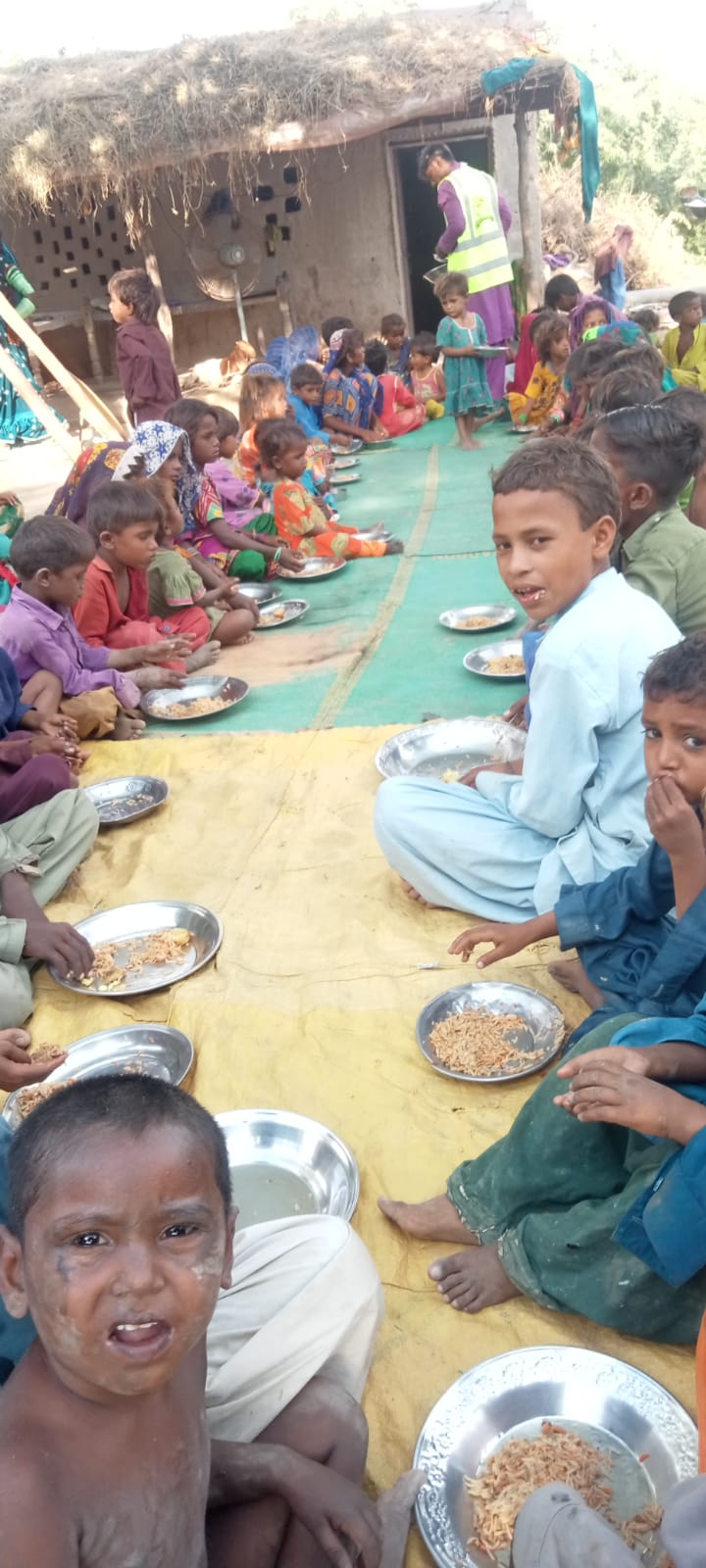
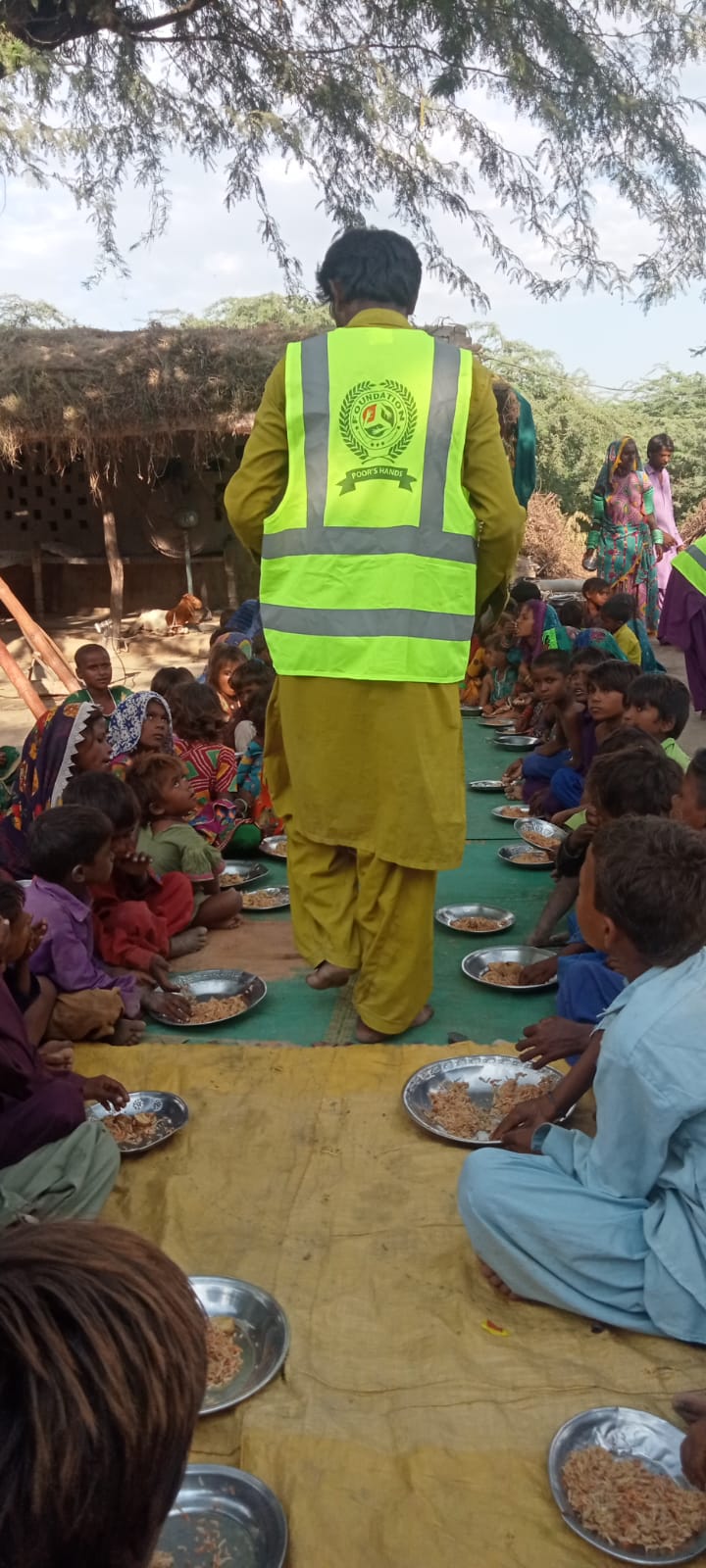
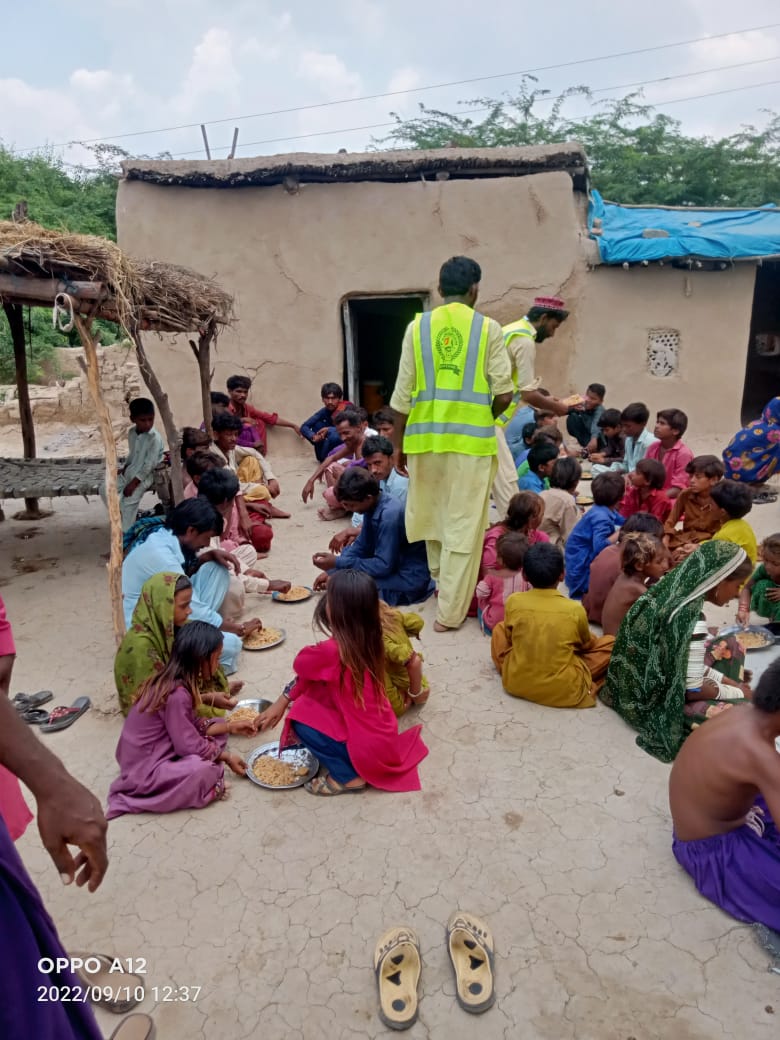
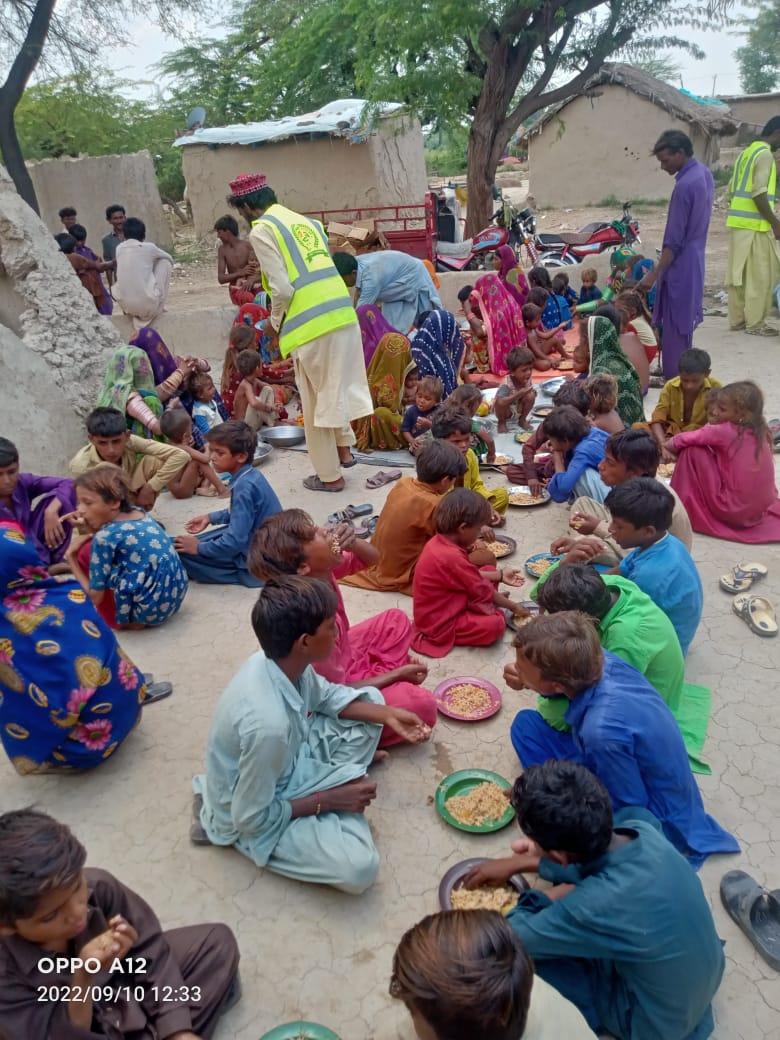
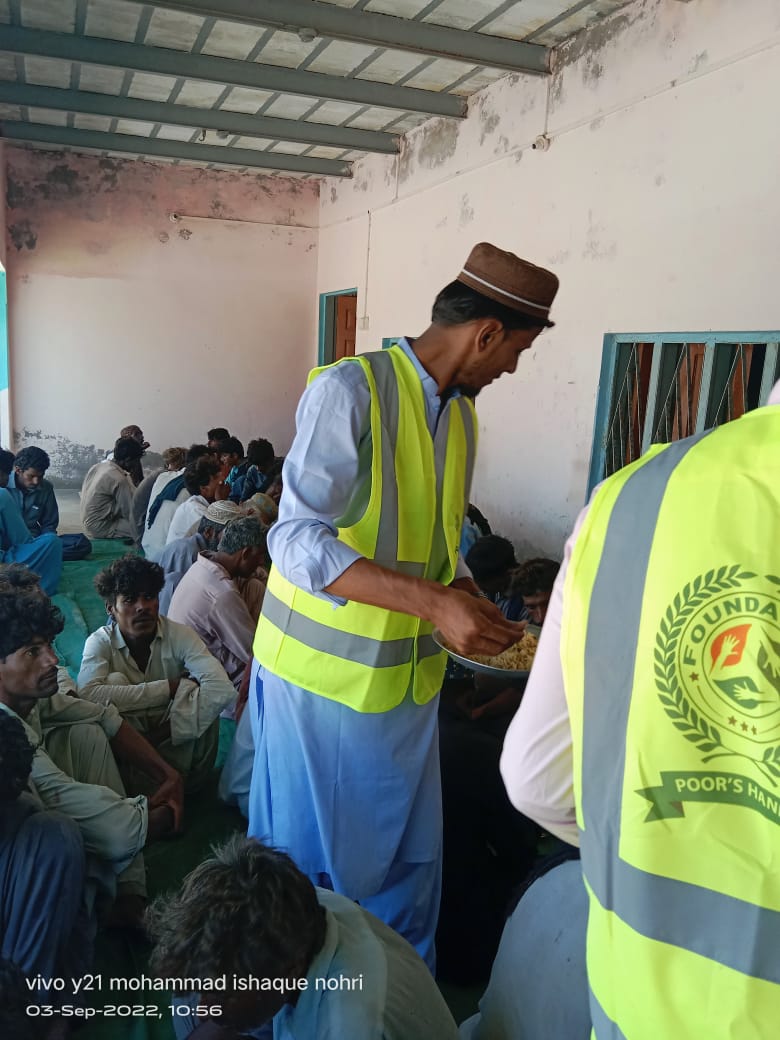
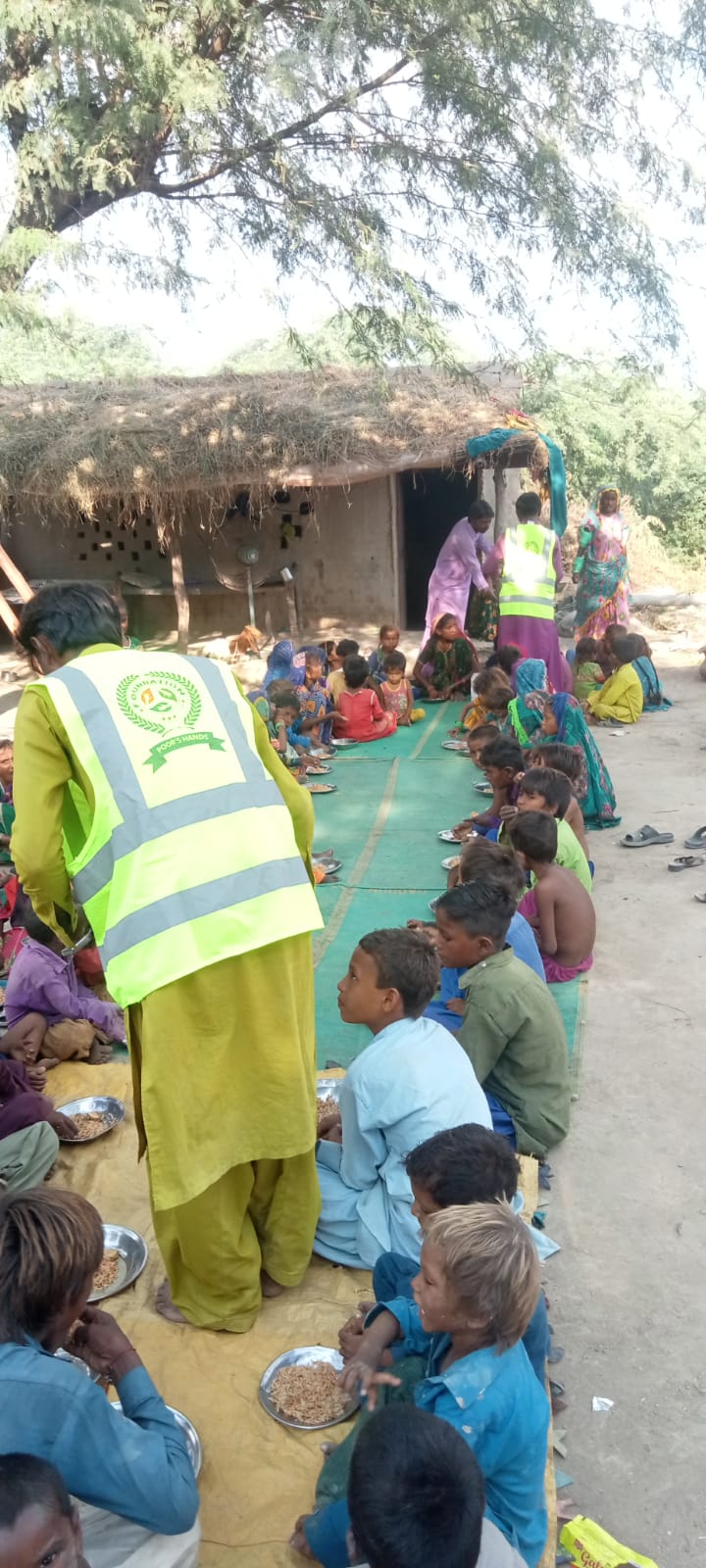
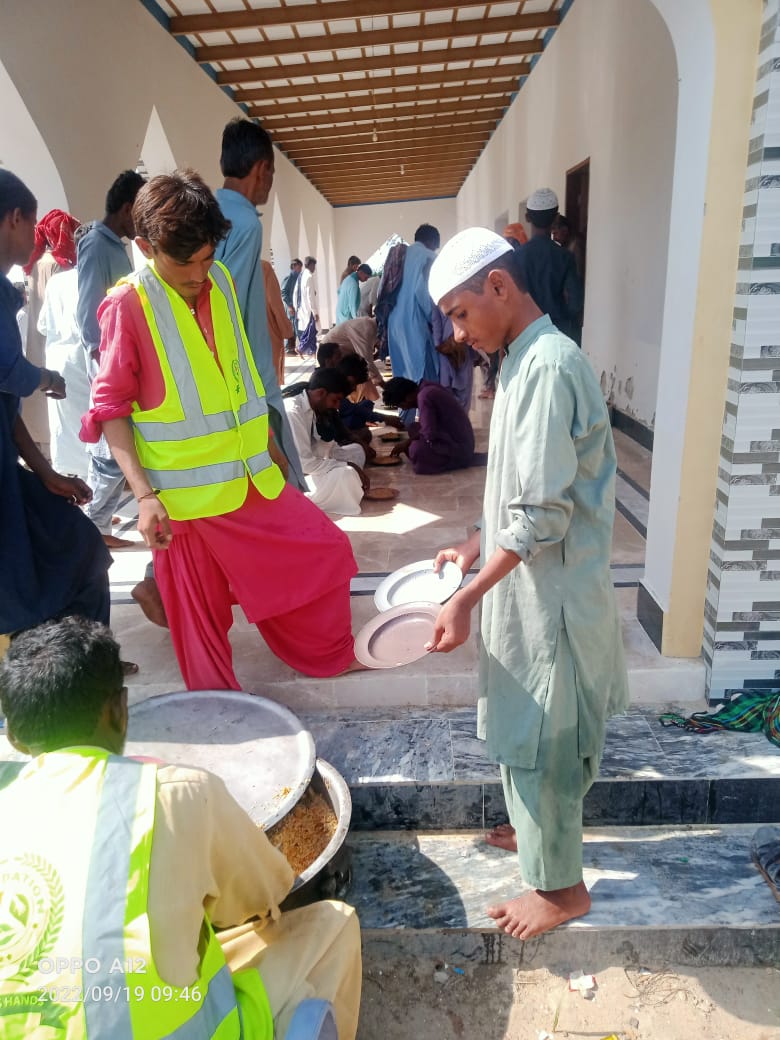
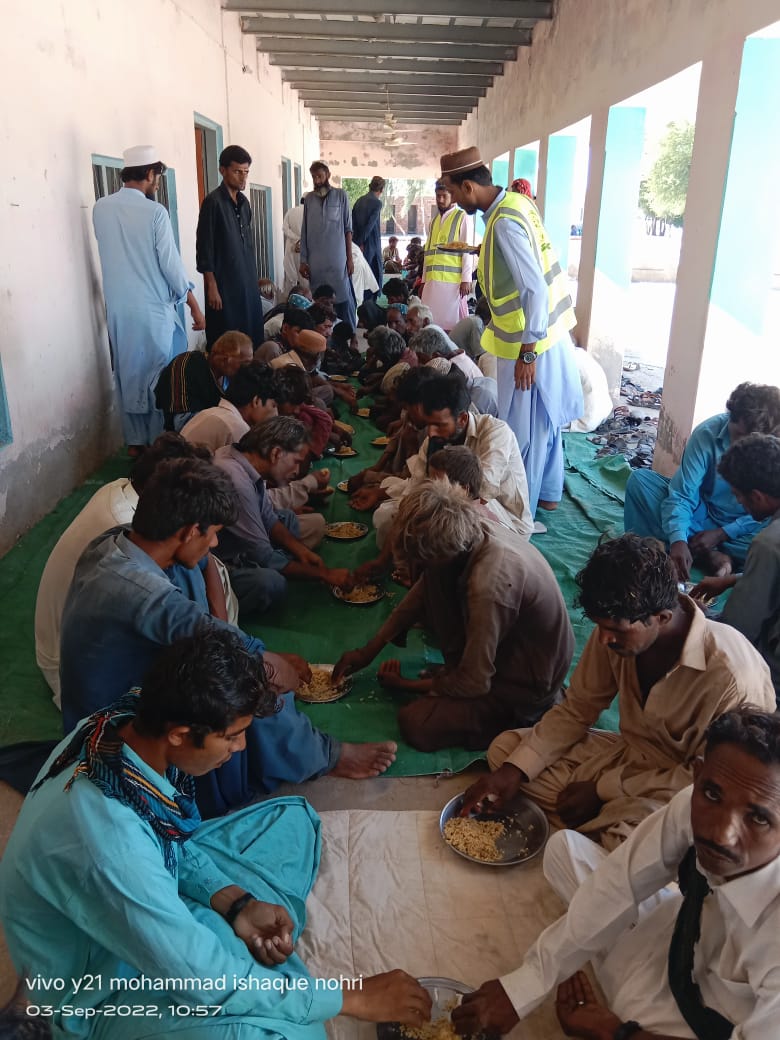
Religion has made it obligatory for men to help their poor and needy brethren. Those who are well off are clearly told to share. Their possessions with those who are badly off. This would reduce economic disparity between the rich and the poor. To regularize the institution charity, and to ensure its smooth working. Islam has imposed Zakat upon its followers. Proper collection and distribution of Zakat will solve the beggar problem in our country to a great extent. Resides this compulsory tax, Islam bids its followers to be charitable. From the humanitarian point of view also, charity has its significance. It is our moral duty to support our less fortunate brethren.
There are many kinds of persons who deserve alms. Foremost among them are widows, orphans, the disabled’ and the old. We can help them in various ways. If we are rich, we can establish orphanages, hospitals, or certain training centers where they would be taught some useful trade. Otherwise, we can always spare a few coins whenever we meet such a wretched being. Shakespeare said that the quality of mercy is doubly blessed. The same can be said about charity. The alms taker is blessed because he is provided with his daily needs. The alms giver is blessed because he will be rewarded in this as well as the world here after.
But the purest motives of charity are selfless. The man who gives alms with a view to receiving hundred-fold in the next world, is ignorant of the true worth and significance of charity.
Sometimes, charity is misplaced. That is, we do not distinguish, between those who deserve our help and those who do not. Men women and children who have turned professional beggars are many in number. They are lazy and idle. We do not serve humanity if we spend our money on them. Lusted, we should persuade them to give up begging and adopt some respectable professions.
Charity should, therefore, be carefully given. But we must realize that voluntary charity is not the solution to tile problems created by poverty. For that purpose, we must exploit our full resources in an organized manner. The regularization of the institution of Zakat can remove the curses of beggary from our country if we are honest about it. Thus charity will be given in an organized manner and the really deserving people will profit by it.
In Islam, the concept of charitable giving is generally divided into voluntary giving, sadaqah , and an obligatory practice, the zakat . Zakat is governed by a specific set of rules within Islamic jurisprudence and is intended to fulfill a well-defined set of theological and social requirements. Sadaqah is possibly a better translation of Christian influenced formulations of the notion of ‘alms’ for that reason, though zakat plays a much larger role within Islamic charity.
Holy Hadith's about charity
“A charity is due for every joint in each person on every day the sun comes up: to act justly between two people is a charity; to help a man with his mount, lifting him onto it or hoisting up his belongings onto it, is a charity; a good word is a charity; and removing a harmful thing from the road is a charity.”
(Al-Bukhari, Muslim)
Muhammad, upon him be peace, said: “Avoid doing injustice to others, for on the Day of Judgment, it will turn into manifold darkness, and safeguard yourself against miserliness, for it ruined those who were before you. It incited them to murder and treating the unlawful as lawful.”
(Muslim)
Muhammad, upon him be peace, said: “Charity does not in any way decrease the wealth and the servant who forgives, Allah adds to his respect; and the one who shows humility, Allah elevates him in the estimation (of the people).”
(Muslim)
What are the social welfare programs in the Pakistan?
Women Welfare Services.
Child Welfare Services.
Welfare Services for Persons with Different Abilities.
Elderly Welfare Services.
Beggars’ Rehabilitation.
Welfare & Rehabilitative Services for Drug Addicts.
Medical Social Services.
PWP Centers.
Quranic Verses
In surah two, verse thirty-three Allah says: “And be steadfast in prayer; practice regular charity, and bow down your heads with those who bow down (in worship)”. From the Qur’an we learn that giving is simply worth “the reward with their Lord: on them shall be no fear, nor shall they grieve”
(Surah Al-Baqarah 2:274).
And He has made me blessed wherever I am and has enjoined upon me Prayer and Zakah as long as I remain alive.
(Surah Maryam 19:31).
Charitable men and charitable women, who have loaned Allah a good loan—it will be multiplied for them, and for them is a generous reward.
(Surah al-Hadid, 18).
Who is it that would loan Allah a goodly loan so He may multiply it for him many times over? And it is Allah who withholds and grants abundance, and to Him, you will be returned”
(Surah Al-Baqarah, 2:245).
Sadaqa also describes a voluntary charitable act towards others, whether through generosity, love, compassion or faith. These acts are not necessarily physical or monetary. Simple good deeds such as a smile, or a helping hand, are seen as acts of sadaqa.